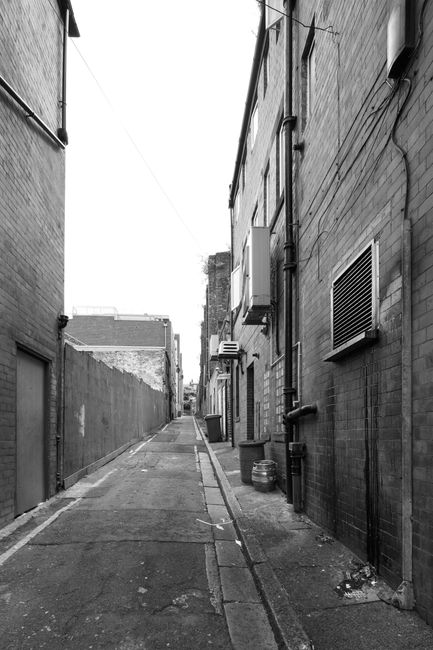
Access problems for West Ham gardeners tight rear alley solutions
If you have ever tried to get gardening work done through a narrow side passage or a cramped rear alley in West Ham, you will know the feeling: one wheelbarrow, a few bags of cuttings, and suddenly the whole job becomes a puzzle. Access problems for West Ham gardeners tight rear alley solutions is really about solving that puzzle safely, neatly, and without turning your garden into a mess before the work has even started. For many homes in this part of London, the garden is not the hard part. Getting to it is.
This guide breaks down the practical ways gardeners handle tight access, what to expect on the day, where the risks are, and how to plan work so it runs smoothly. You will also see when a simple visit is enough, when a more careful approach is needed, and which services can help if the space is too awkward for standard garden maintenance.
Table of Contents
- Why access problems for West Ham gardeners tight rear alley solutions matters
- How access problems for West Ham gardeners tight rear alley solutions works
- Key benefits and practical advantages
- Who this is for and when it makes sense
- Step-by-step guidance
- Expert tips for better results
- Common mistakes to avoid
- Tools, resources and recommendations
- Law, compliance, standards, or best practice
- Options, methods, or comparison table
- Case study or real-world example
- Practical checklist
- Conclusion
- Frequently asked questions
Why access problems for West Ham gardeners tight rear alley solutions Matters
Access is not just a convenience issue. In a tight West Ham back garden, it can shape everything from the time needed to complete the work to the type of equipment that can be used. A lawn might only be a few metres across, but if the route through the house, alley, or shared passage is narrow, every step takes longer and every load becomes more awkward.
That matters because garden work depends on movement. Turf offcuts, hedge trimmings, soil, broken fencing, old decking, branches, compost, tools, water, and bulky sacks all need a path in and out. If the access route is steep, wet, uneven, or shared with neighbours, the job becomes more delicate. Let's face it, nobody wants muddy footprints through a kitchen floor or scratched paintwork on a narrow brick wall.
In practical terms, poor access can affect:
- how long the job takes
- how many team members are needed
- which tools are safe to bring in
- how waste is moved out
- whether larger tasks need to be broken into stages
- how tidy the site stays during the work
For local homes, rear access is often the weak point. Front gardens may be simple enough, but the real challenge sits at the back, where the alley is tight and the turning space is near enough non-existent. That is where thoughtful planning makes all the difference. If you need broader support across regular upkeep, the team at garden maintenance can be a useful place to start, especially where access issues are tied to routine care rather than one-off clearance.
How access problems for West Ham gardeners tight rear alley solutions Works
The basic idea is simple: the work is planned around the route, not around the ideal layout. Instead of forcing standard equipment into a cramped space, a gardener assesses the access first and adapts the method to suit the property. That may sound obvious, but it is the difference between a smooth visit and a messy one.
Usually, the process starts with a quick discussion or site view. The gardener will want to know:
- how wide the alley or side passage is
- whether there are steps, slopes, or tight corners
- if access goes through the house, a shared pathway, or a rear gate
- what kind of work is needed
- how much waste will come out
- whether the surface is fragile, slippery, or hard to protect
From there, they choose the most suitable approach. In some cases, it is a matter of using smaller hand tools and moving materials in lighter loads. In others, the work needs to be split up so that clearance happens before pruning, or cutting happens in smaller sections before removal. Truth be told, a gardener with experience of awkward access will usually spend less time fighting the site and more time getting the work done.
There is also a practical rhythm to it. Materials often move in stages: tools in first, work carried out in short bursts, waste stacked in a controlled area, then removal at the end. On a damp London morning, that approach saves a lot of slipping about and avoids clogging the narrow route with debris.
If the access is especially limited and the job involves overgrowth or old waste, a more structured clearance may be needed before anything else can happen. In those cases, garden clearance can be a sensible companion service because it removes the clutter that is getting in the way of the actual gardening work.
Key Benefits and Practical Advantages
When access is handled properly, the benefits are not just technical. You feel them as a homeowner almost immediately. The work is calmer, cleaner, and less disruptive. Neighbours are less likely to be inconvenienced. And the finished garden usually looks better because the preparation was done properly.
Here are the main advantages:
- Less disruption indoors and outdoors - careful movement protects hallways, side paths, and shared access points.
- Safer working conditions - smaller loads and better route planning reduce trips, slips, and accidental damage.
- More efficient labour - a team can work with the space instead of wasting time battling it.
- Cleaner results - debris is easier to control when access is planned from the start.
- Better use of equipment - the right tools are chosen for the route, not just the task.
- Less stress for the homeowner - no last-minute panics about whether a mower will fit through the alley. That sort of thing always sounds small until it becomes the main issue.
There is also a subtle but real benefit in protecting the property itself. Tight access means more contact with walls, gates, paving, and doors. Good planning reduces scuffs, broken hinges, snapped plants, and muddy spillover. If the work involves reshaping or improving the garden after access has been sorted, broader landscaping support can help you make the space easier to maintain in future too.
Practical summary: The best tight-access garden jobs are not the ones with the most powerful tools. They are the ones that are planned around the actual route, broken into manageable stages, and finished with a tidy waste plan.
Who This Is For and When It Makes Sense
This kind of solution is for anyone with a rear garden that is difficult to reach through the back of the property. That sounds broad, and it is, because awkward access comes in all shapes and sizes. Some homes have long narrow alleys. Others have shared side passages that are just wide enough for a person, never mind a wheelbarrow. A few have a rear entrance that is technically there, but only if you twist yourself round the gate and pray the bag of hedge cuttings does not catch on the latch.
It is especially relevant if you:
- live in a terraced or closely built property
- have a narrow side return or rear alley
- need regular garden work but the access route is awkward
- are planning hedge, tree, or clearance work
- have fragile paving or a shared passage you want to protect
- have a garden that has been neglected and is now too crowded to work in easily
It also makes sense when the garden itself is not the problem. Sometimes the planting is fine, the lawn is manageable, and the layout is decent enough. It is the route that is the issue. In that case, the first step is not redesigning the whole garden. It is figuring out how the work can happen without causing avoidable damage or delays.
For gardens with overgrown boundaries or dense hedging near the access route, hedge trimming can be an important part of opening the area up before other work starts. And if the issue includes stubborn branches or a tree pressing into the rear approach, tree lopping and removal may need to be considered carefully, especially where clearance space is already tight.
Step-by-Step Guidance
If you are trying to work out the best way to manage access problems, it helps to think in stages. A rushed approach is where most awkward jobs go wrong. A steady one is much easier to live with.
- Map the access route. Walk the full path from the street to the rear garden. Check width, corners, surface condition, gates, steps, lighting, and anything that narrows the route further.
- Identify obstacles. Look for bins, bikes, stored timber, loose slabs, overhanging growth, or fragile fixtures that could get in the way.
- Estimate the type of work. Lawn care, hedge trimming, heavy clearance, pruning, decking work, and landscape changes all create different movement needs.
- Match the task to the access. Small hand tools may be perfect for maintenance, while bulkier jobs might need a different sequence or additional labour.
- Protect the route. Use coverings or careful footfall planning where surfaces are sensitive. Sometimes simple board protection or matting is enough.
- Work in manageable loads. It is usually better to move waste out in several smaller trips than to force oversized loads through a tight space.
- Keep the route clear during the job. Do not allow tools, branches, and sacks to pile up in the narrowest spot. That is where accidents happen.
- Finish with a clean exit. Remove debris, wipe down contact points, and check gates or paths are left usable.
A good rule of thumb: if you would not want to carry a wet sack of cuttings through the route yourself, do not plan the job as if someone else can somehow make that easy. Better to adjust early than struggle halfway through.
Where access is difficult because the garden has become overrun, a first-pass tidy can help create working room. In those situations, service details matter. A sensible provider will explain whether the job should be divided between clearance, maintenance, and any longer-term changes to the space, rather than pretending everything can be done in one sweep. That honesty is helpful, actually.
Expert Tips for Better Results
After enough awkward gardens, a pattern emerges. The best results usually come from the boring stuff done well. Preparation. Communication. Small adjustments. Nothing glamorous, but it works.
- Take measurements before the visit. Even rough widths help. A few centimetres can make the difference between hand tools only and a slightly broader setup.
- Photograph the route in daylight. A narrow passage looks one way at 8am and another way after rain, shade, or a wheelie bin has been dragged into place.
- Think about waste early. If there will be a lot of material, the removal plan should be sorted before the first cut is made.
- Use the right service for the problem. Maintenance, clearance, and design work are not always the same thing. The job goes more smoothly when the service fits the access challenge.
- Make the rear area easier next time. If a path is repeatedly awkward, consider whether the layout can be changed later with smarter surfaces, gates, or planting choices.
One thing people often overlook is how access and future maintenance are linked. If you choose planting that constantly spills into the route, or hard landscaping that leaves no sensible standing space, the same access issue will keep returning. That is where small design changes matter more than dramatic ones. Even a slightly wider stepping area or clearer side route can make future jobs far easier.
And yes, sometimes the simplest expert tip is this: do not overcomplicate the first visit. Start small, prove the route, and build from there. A lot can be solved by not trying to do everything at once.
Common Mistakes to Avoid
A tight rear alley exposes bad planning very quickly. The main mistakes are usually practical ones, not dramatic ones.
- Assuming standard equipment will fit. A mower, trimmer, or large barrow that works elsewhere may be hopeless in a narrow passage.
- Forgetting about waste movement. The job might be possible until it is time to get all the cuttings back out again.
- Ignoring wet or uneven surfaces. A route that is manageable in dry weather can become awkward fast after rain.
- Blocking the only path. Leaving tools in the narrowest section can trap the team into working around their own equipment.
- Skipping neighbour awareness. Shared access often needs a little courtesy and timing. A quick heads-up can prevent friction.
- Trying to force a single-day solution. Sometimes the job is better done in stages. That is not a weakness. It is just sensible.
Here is the thing: access problems are rarely solved by force. They are solved by sequence. If you get the sequence wrong, the day becomes harder for everyone. If you get it right, even a very awkward garden can be handled with surprising calm.
Tools, Resources and Recommendations
For access-limited jobs, the best tools are often the ones that are light, flexible, and easy to carry. Bigger is not better here. Sometimes it is just heavier, noisier, and more annoying.
Useful tool types include:
- compact hand shears for tight hedge work
- small pruners and secateurs for precise cutting
- lightweight bags or sacks for staged waste collection
- folding or slim-profile hand tools
- protective coverings for sensitive paths or thresholds
- small rakes and brushes for final clean-up
From a homeowner perspective, a few simple resources help too:
- a tape measure for checking widths
- basic photos of the alley and rear gate
- a rough note of what needs doing first
- clear information on whether access is through the house or outside only
If the work is part of a wider renovation of the garden, it can help to view access as one part of the whole project. For example, a new deck, better side path, or adjusted planting layout can improve day-to-day use. If that sounds relevant, decking services may be worth exploring alongside the garden plan, because the right surface and layout can make future maintenance easier to manage.
For more general service planning, the services overview is a useful starting point when you want to compare what kind of work fits your access situation. And if you are trying to understand how quotes are built, pricing and quotes can help set expectations before anyone arrives with tools in hand.
Law, Compliance, Standards, or Best Practice
With garden access work, the main concern is usually safety and care rather than complicated regulation, but best practice still matters. In the UK, reputable garden work should be carried out with attention to safe movement, sensible manual handling, and respect for property boundaries. Where a route is shared, care around neighbours and access arrangements is part of doing the job properly.
A few practical standards are worth keeping in mind:
- Manual handling should be sensible. Heavy or awkward loads should be broken down where possible.
- Worksites should be kept reasonably tidy. Narrow routes need extra discipline because clutter creates risk quickly.
- Property damage should be avoided. Gates, walls, flooring, and thresholds need protecting where contact is likely.
- Insurance matters. If a contractor is entering via tight or shared access, you want confidence that they work with appropriate cover and care.
- Health and safety should be practical, not theatrical. Good risk control is usually simple: clear the route, check surfaces, use the right kit, and do not rush.
If you want to understand how a company approaches risk and responsibility, it is sensible to review their health and safety policy and insurance and safety information before booking. That is not overcautious. It is just good judgement, especially where a tight alley or rear passage leaves little room for error.
Accessibility can matter too. If the route is difficult for people as well as equipment, a company that thinks carefully about access is usually a better fit. Their accessibility statement may also give a sense of how they approach practical inclusion and site limitations.
Options, Methods, or Comparison Table
There is no single fix for every access problem. The right method depends on the garden, the route, and the amount of work involved. Here is a simple comparison to help you think it through.
| Method | Best for | Pros | Limitations |
|---|---|---|---|
| Hand-tool-only maintenance | Small regular jobs, light pruning, tidy-ups | Very flexible, low disruption, easy through narrow routes | Not ideal for heavy clearance or large waste volumes |
| Staged clearance | Overgrown gardens, blocked rear access, bulky waste | Reduces clutter quickly, makes the rest of the job possible | May take longer than a standard visit |
| Split-job approach | Mixed tasks such as hedge work, mowing, and tidying | More controlled, easier to manage in phases | Needs clear planning and good communication |
| Access-led landscaping changes | Repeated access issues, long-term garden redesign | Improves future use and maintenance | Not a quick fix; depends on budget and layout |
In most real homes, the answer is a blend. For example, you might clear the alley first, then do hedge trimming, then deal with lawn work once the route is open. Or you may keep maintenance light and use larger landscaping changes later to reduce future hassle. There is nothing fancy about that approach. It simply respects the shape of the property.
If a garden has become too crowded for ordinary upkeep, a careful clearance visit often gives the best starting point. After that, regular mowing, trimming, or reshaping becomes much easier to handle. The work stops fighting the access and starts fitting it.
Case Study or Real-World Example
Picture a typical West Ham terrace with a narrow side passage leading to a small rear garden. The gate opens inward, the passage is just wide enough for one person to pass comfortably, and the surface is slightly uneven where older paving has shifted. The garden itself has been left alone for a while. Nothing dramatic, but enough to create a bit of a tangle.
On the first visit, the access route is measured, the passage is cleared of bins and loose items, and the team decides not to force any large kit through the narrowest section. Instead, small tools are used, cuttings are collected in manageable loads, and waste is removed in stages rather than piled up. A hedge at the side of the route is trimmed back first because it keeps snagging shoulder height and narrowing the passage even more. Then the main garden work can begin.
The result is not just a tidier garden. The whole visit feels calmer. No one is trying to shoulder past a stack of branches. No one is carrying a mower sideways like some sort of garden-based escape scene. And the homeowner is left with a route that is still usable after the work is done, which matters as much as the finish itself.
That is the practical lesson: in tight rear-access gardens, the route is part of the project. Treat it that way and the job becomes far more manageable.
Practical Checklist
Use this before booking or starting work on a tight-access garden.
- Measure the narrowest point of the alley or rear passage
- Check whether the route includes steps, slopes, or sharp turns
- Confirm if access is through the house, a side gate, or a shared path
- Remove loose items, bins, and bikes from the route
- Take photos of the entrance and rear access points
- List the jobs in order of priority
- Decide whether waste will need staged removal
- Ask whether the work needs clearance before maintenance
- Check if any plants, fixtures, or surfaces need protection
- Make sure the route will still be usable after the job
If you are unsure where to begin, a short conversation about the access route is often enough to set the right tone. A good gardener will not mind the detail. In fact, the detail helps.
Conclusion
Access problems in West Ham gardens are rarely about the garden alone. More often, they are about the path to the garden, the shape of the rear alley, and how the work is organised around that reality. When the access route is tight, the smartest answer is not to push harder. It is to plan better, work in stages, and choose methods that suit the property.
That approach protects your home, reduces stress, and usually produces a tidier result. It also makes regular upkeep much more realistic, which is a big deal if you want the garden to stay manageable after the first visit. Whether you need maintenance, clearance, trimming, or a broader redesign, the best outcome usually comes from respecting the limits of the space and working with them.
Get a free quote today and see how much you can save.
If you would like to learn more about the team behind the work, you can also read about us before getting in touch. And if you are ready to talk through your own awkward rear access, the next step is simple enough.
Frequently Asked Questions
How do gardeners deal with a very narrow rear alley?
They usually switch to lighter tools, smaller loads, and a staged work plan. The route is assessed first so the job can be done without forcing equipment through a space that is simply too tight.
Can garden waste be removed through a tight side passage?
Yes, but often in smaller loads. If there is a lot of waste, it may need to be bagged and moved out in stages to keep the passage clear and safe.
What if the rear access goes through my house?
That can be workable, but it needs care. Floors, doorways, and hallways should be protected, and the movement plan should be agreed in advance so nothing feels rushed or awkward.
Is access a problem for lawn mowing in West Ham homes?
It can be, especially where the mower cannot fit through a narrow route. In those cases, lighter equipment or a different mowing approach may be needed.
Should I clear the alley before the gardener arrives?
Yes, if you can. Removing bins, bikes, loose pots, and other obstacles gives the team a cleaner route and makes the visit much smoother from the start.
Do tight-access gardens cost more to maintain?
Sometimes they do, because work can take longer and require more care. That said, the final price depends on the actual tasks, the access layout, and the amount of waste involved.
What kind of work is hardest in a narrow rear alley?
Bulk clearance, hedge cutting with heavy waste, and anything involving large tools can be the trickiest. Regular maintenance is usually easier than a one-off overhaul.
Can landscaping help solve access problems long term?
Yes. Small design changes, smarter surfaces, and better route planning can make the garden easier to use and maintain later on. It is not always dramatic, but it helps a lot.
How do I know if my access is too tight for standard garden work?
If the route is too narrow for a wheelbarrow, mower, or waste bags without constant turning and lifting, it is probably best treated as a tight-access job rather than a standard one.
What should I ask before booking a gardener for a difficult alley?
Ask how they handle narrow access, whether they use staged removal, what protection they use for surfaces, and whether they recommend clearance before maintenance. Those questions tell you a lot.
Are shared side passages a problem?
They can be, mainly because of courtesy, timing, and space. Shared routes need a bit of communication and a careful plan so nobody feels blocked in or overlooked.
What is the most sensible first step if my rear garden is overgrown and hard to reach?
Start with an access assessment and a discussion of what needs doing first. In many cases, a clearance visit opens the route enough for the rest of the work to follow more easily.